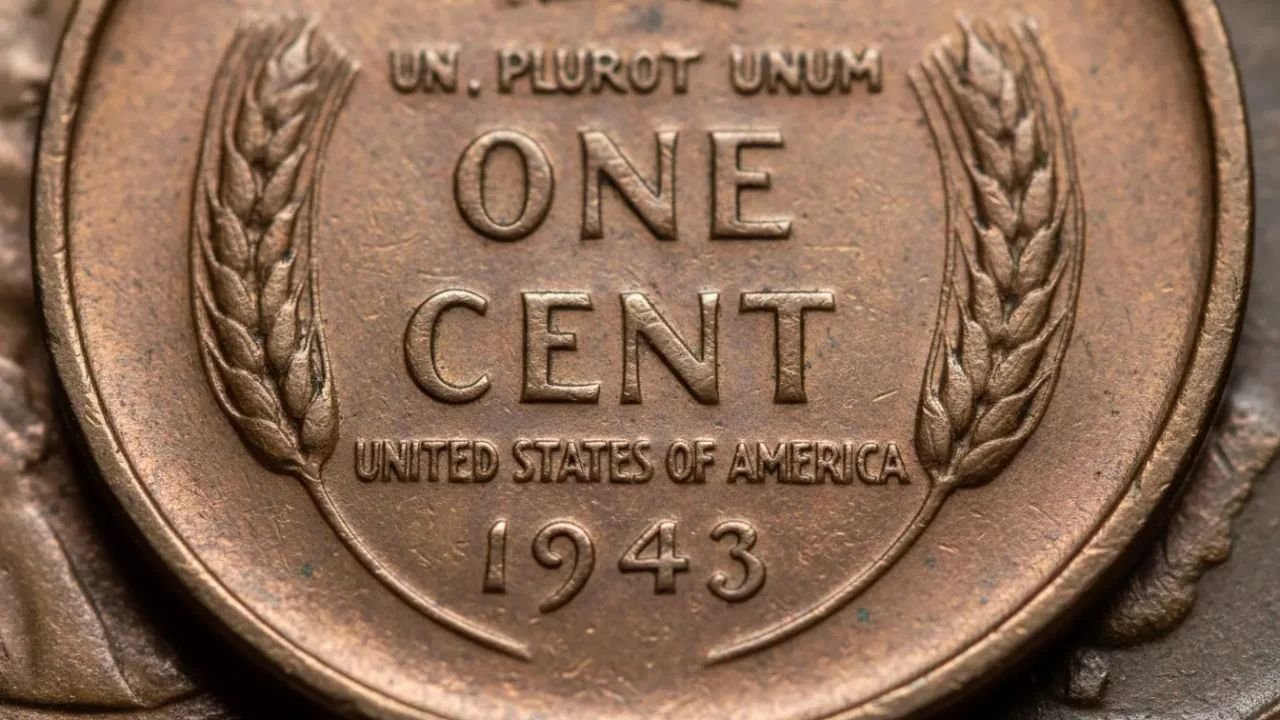
The Lincoln Wheat Penny stands as one of the most iconic and beloved coins in American numismatics. First introduced in 1909, it marked a turning point in U.S. coinage as the first circulating coin to feature the portrait of a real historical figure—President Abraham Lincoln. More than a simple one-cent piece, the Lincoln Wheat Penny reflects over half a century of American history, economic change, artistic evolution, and cultural identity. For collectors and history enthusiasts alike, it represents both a tangible connection to the past and a fascinating area of study.
The Origins of the Lincoln Wheat Penny
The Lincoln Wheat Penny was created to commemorate the 100th anniversary of Abraham Lincoln’s birth. At the time, placing a president’s portrait on circulating coinage was considered bold and unconventional. Sculptor Victor David Brenner was selected to design the coin, and his work would go on to become one of the most recognizable designs in U.S. history.

The coin debuted in 1909 and immediately attracted public attention. Brenner’s initials, “VDB,” appeared prominently on the reverse of early issues, sparking controversy and leading to their quick removal. This brief design change inadvertently created one of the most famous key-date coins in American numismatics.
The Lincoln Wheat Penny remained in production until 1958, spanning nearly five decades of profound national transformation.
Design Elements That Defined an Era
Obverse Design
The obverse features a dignified portrait of Abraham Lincoln facing right, emphasizing realism rather than idealization. The inscriptions “IN GOD WE TRUST,” “LIBERTY,” and the year of minting frame the design. Brenner’s portrait conveyed strength, humility, and leadership—qualities closely associated with Lincoln’s legacy.
Reverse Design

The reverse showcases two stylized wheat stalks framing the denomination “ONE CENT.” This agricultural symbolism represented national prosperity, productivity, and unity. The simplicity of the design made it instantly recognizable and visually balanced, helping cement its popularity among the public.
A Coin Shaped by American History
The Lincoln Wheat Penny circulated during some of the most pivotal periods in U.S. history, including the Great Depression, World War I, World War II, and the postwar economic boom. Changes in metal composition, production quality, and mintage levels often reflected broader economic conditions.
One notable example is the 1943 steel cent, produced due to wartime copper shortages. These changes transformed the Wheat Penny into a historical document as much as a circulating coin.
Why Collectors Treasure Lincoln Wheat Pennies
Collectors are drawn to the Lincoln Wheat Penny for a combination of historical significance, aesthetic appeal, and collecting challenge. The series offers an accessible entry point for beginners while still presenting rare and valuable targets for advanced numismatists.
Key factors driving collector interest include the wide range of dates and mint marks, the presence of famous errors and varieties, and the difficulty of assembling complete high-grade sets. The thrill of finding a rare example among common coins continues to attract new collectors every year.
Key Dates and Rare Varieties
Certain Lincoln Wheat Pennies are legendary within the collecting community due to their rarity and desirability.
The 1909-S VDB is perhaps the most famous, valued for its low mintage and historical controversy. The 1914-D and 1931-S are also considered essential key dates, particularly scarce in higher grades. Error coins such as the 1955 Doubled Die Obverse are highly prized for their dramatic visual doubling.
Another standout is the 1943 copper cent. While most pennies that year were struck in steel, a small number of copper examples were accidentally produced, making them among the most valuable modern U.S. coins.
How to Identify and Grade a Lincoln Wheat Penny
Proper identification and grading are critical to determining a Wheat Penny’s value.
Start by examining the date and mint mark, typically located below the date on the obverse. Look closely for signs of doubling, repunched mint marks, or unusual surface features that may indicate an error.
Metal composition can also be revealing. Most Wheat Pennies are copper-based, except for the steel cents of 1943. Weight, magnetism, and color can help confirm authenticity.
Condition plays a major role in value. Coins with minimal wear, strong detail, and original luster are significantly more desirable. High-grade examples are often worth many times more than heavily circulated pieces of the same date.
For coins with potential value, professional grading from reputable services provides authentication, standardized grading, and increased market confidence.
Proper Care and Storage
Preservation is essential for maintaining a coin’s condition and long-term value. Lincoln Wheat Pennies should always be handled by the edges and never cleaned, as cleaning can permanently damage surfaces and reduce collector appeal.
Coins should be stored in acid-free holders or protective capsules, kept in a dry, temperature-stable environment. For valuable specimens, certified holders provide both protection and authentication.
A Real-World Discovery Story
Many collectors are drawn to Wheat Pennies because valuable finds still occur. In one notable instance, a collector discovered a 1955 Doubled Die Obverse penny while sorting through old change. Despite visible circulation wear, the dramatic doubling was unmistakable. After professional grading, the coin sold at auction for a significant sum, demonstrating that knowledge and careful inspection can still lead to remarkable discoveries.
Buying and Selling with Confidence
When buying Lincoln Wheat Pennies, careful research is essential. Compare prices across multiple sources, study grading standards, and verify authenticity, especially for key dates and error coins.
When selling, professional grading can dramatically increase credibility and value. High-quality photographs, clear documentation, and reputable sales channels help ensure strong results and buyer trust.
Final Thoughts
The Lincoln Wheat Penny is far more than a relic of the past—it is a living bridge between American history and modern collecting. Each coin tells a story shaped by the era in which it was minted. Whether discovered in an old collection or carefully acquired at auction, Wheat Pennies continue to inspire curiosity, education, and passion.
For collectors willing to learn its nuances, the Lincoln Wheat Penny offers both historical depth and enduring opportunity—proof that even the smallest denomination can carry remarkable significance.