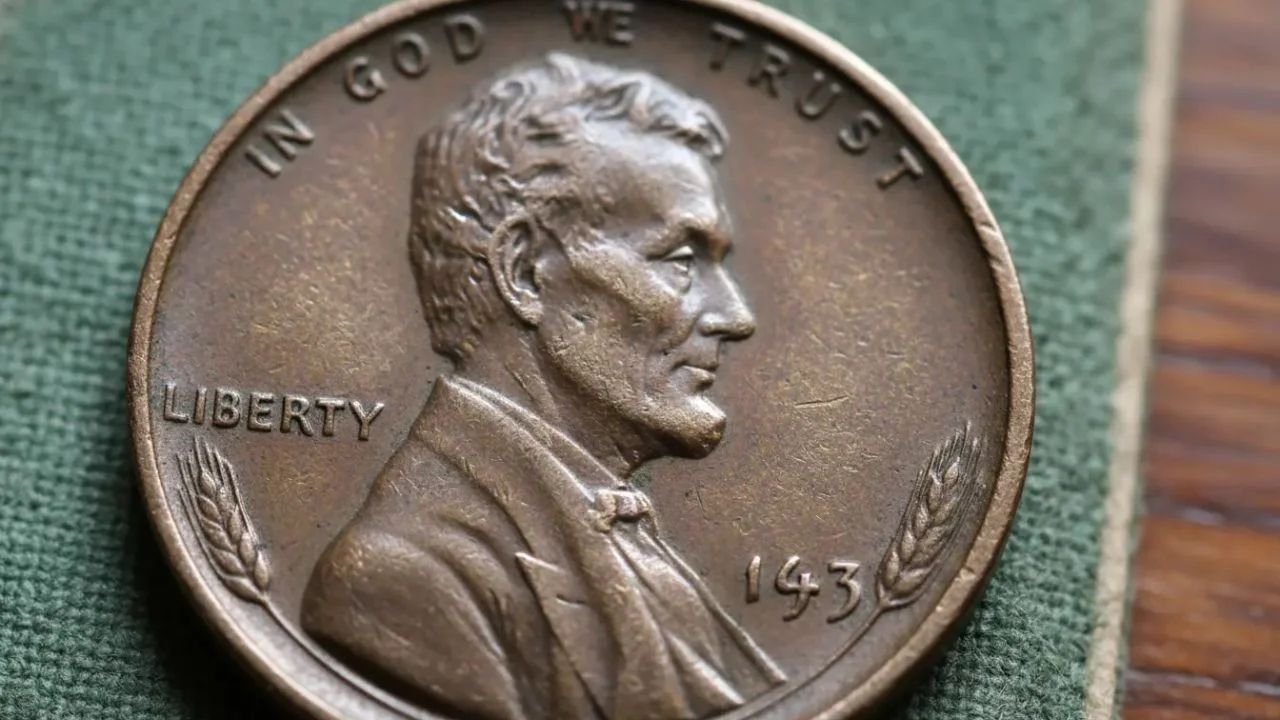
The Lincoln Wheat Penny is one of the most familiar coins in American history, yet it remains one of the most misunderstood. Struck between 1909 and 1958, these modest copper cents were produced by the billions, leading many people to assume they are all common. In reality, a small number of Lincoln Wheat Pennies are exceptionally rare. When the right date, error, and condition align, values can reach $90,000 or more—even today. Remarkably, a few of these coins are still discovered in circulation, old jars, and forgotten collections.
Understanding what makes a Wheat penny valuable is the key to spotting a potential five-figure treasure.
Why Some Lincoln Wheat Pennies Are Worth a Fortune
The value of a Lincoln Wheat Penny is driven by three core factors: rarity, condition, and collector demand. Coins that rank highly in all three categories consistently bring strong results at auction.
Rarity comes from low mintages or unusual minting mistakes. Condition refers to how well the coin has survived, with sharp details and original surfaces commanding large premiums. Demand is fueled by collectors competing for iconic coins with proven market performance.
When these factors overlap, prices can escalate quickly.
How to Identify a Valuable Lincoln Wheat Penny

The identification process begins with careful inspection. A 5x to 10x magnifying loupe and good lighting are essential. Start by examining the date and mintmark, then move on to surface details and metal characteristics.
Always inspect both sides of the coin. Many valuable varieties reveal themselves through subtle doubling, unusual color, or design anomalies that are easy to miss without magnification.
Key Dates and Rare Varieties to Watch For
Certain Lincoln Wheat Pennies are famous for their scarcity and value. These are the coins collectors hope to find when searching through old cents.
The 1909 VDB pennies are among the most desirable early issues. Produced in the first year of the Lincoln cent, they feature the designer’s initials on the reverse. Low mintage and strong demand keep prices high, especially in higher grades.
The 1943 bronze cent is one of the most legendary error coins in U.S. numismatics. In 1943, pennies were supposed to be struck in steel to conserve copper for the war effort. A small number were mistakenly struck on leftover bronze planchets. These coins are extraordinarily rare and have sold for tens of thousands of dollars, even in circulated condition.
The 1955 doubled die obverse is another standout. This error shows dramatic doubling on the date and lettering, easily visible without magnification. It remains one of the most famous and collected error coins, with strong values across all grades.
Other low-mintage dates and confirmed error varieties can also reach high prices, particularly when found in excellent condition.
Physical Features That Signal High Value
Beyond dates, several physical traits can indicate a valuable Lincoln Wheat Penny.
Mintmarks are critical. Look just below the date for a small “D” or “S,” indicating Denver or San Francisco. Some of the rarest Wheat pennies come from specific mint-and-year combinations.
Color matters more than many people realize. Original red or red-brown copper surfaces are far more desirable than dark or heavily worn examples. For 1943 cents, color is especially important—bronze coins will appear brown, not silver-gray like steel cents.
Doubling on letters or numbers should appear rounded and clearly separated. Flat, shelf-like doubling is usually machine doubling and adds little value.
Planchet errors such as cracks, clips, or wrong-metal strikes are also highly collectible, provided they are genuine and not the result of post-mint damage.
Where Valuable Wheat Pennies Are Still Found
Although rare, high-value Lincoln Wheat Pennies do still surface unexpectedly. Many remain hidden simply because they have never been carefully examined.
Bank coin rolls are a classic hunting ground. Older rolls or unsorted cents occasionally include Wheat pennies that have circulated unnoticed for decades.
Estate sales and inherited collections are another rich source. Coins saved long ago are often passed down without anyone realizing their potential value.
Flea markets, antique shops, and mixed coin lots can also yield surprises, especially when sellers are unaware of what they have.
Persistence and knowledge matter more than luck. The more coins you search, the better your odds.
Practical Steps for Searching Effectively
Successful searching is systematic. Request older or customer-rolled pennies from banks whenever possible. Examine each coin carefully rather than skimming quickly.
Use consistent lighting and magnification to avoid missing small details. Keeping records of dates and varieties you find helps you stay organized and identify patterns in your searches.
Patience is essential. Most finds will be common, but one rare discovery can justify years of searching.
What to Do If You Find a Potential $90,000 Penny
If you believe you’ve found a valuable Lincoln Wheat Penny, the most important rule is simple: do not clean it. Cleaning permanently damages original surfaces and can reduce value dramatically.
Handle the coin only by its edges and place it in a non-reactive holder. Take clear, high-resolution photographs of both sides and any notable features.
Research comparable auction results to understand the market. If the coin appears promising, professional authentication is the next step. Trusted grading services such as PCGS, NGC, or ANACS can confirm authenticity and assign an official grade, which is essential for maximizing value.
A Real-World Discovery Example
In a documented case, an individual sorting loose change noticed a penny with an unusual brown color dated 1943. Instead of dismissing it, they compared it to reference images and confirmed it was not steel. After professional authentication, the coin was identified as a genuine 1943 bronze cent. It later sold at auction for a five-figure price, turning pocket change into a life-changing discovery.
This outcome followed a clear pattern: observation, documentation, authentication, and patience.
Selling and Protecting a Rare Wheat Penny
For high-value coins, professional grading is almost mandatory. Certified coins are trusted by buyers and typically bring higher prices.
When selling, seek multiple opinions and consider reputable auction houses with experience in rare U.S. coins. Maintain all documentation, grading certificates, and provenance records, as these support the coin’s credibility.
Avoid rushing into a sale. The right venue and timing can make a significant difference in final value.
Common Mistakes to Avoid
Cleaning is the most damaging mistake collectors make. Even well-intentioned cleaning can erase thousands of dollars in value.
Poor-quality photos can also hurt credibility when seeking opinions or selling. Clear, sharp images are essential.
Finally, selling too quickly without understanding the coin’s true rarity can lead to regret. Knowledge is your strongest asset.
Final Thoughts
A Lincoln Wheat Penny worth $90,000 is rare, but not a myth. These coins still exist, sometimes overlooked in everyday circulation or forgotten collections. With careful inspection, disciplined handling, and professional verification, an ordinary-looking penny can become an extraordinary asset. For those willing to learn and search patiently, the humble Wheat penny continues to offer one of the most exciting opportunities in modern coin collecting.