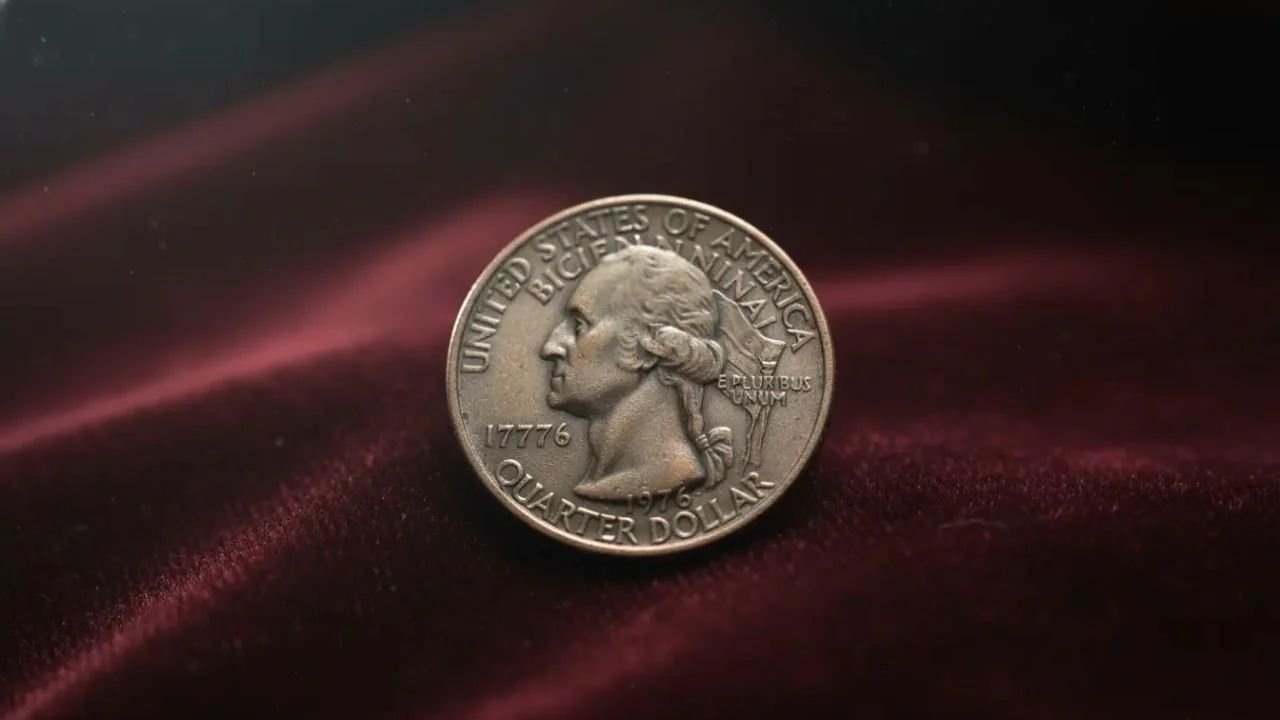
The 1776–1976 Bicentennial Quarter Coin stands as one of the most recognizable and widely collected modern U.S. coins. Issued to celebrate the 200th anniversary of American independence, it combines patriotic symbolism with a distinctive dual date that immediately sets it apart from standard Washington quarters. While many examples remain common, select versions carry meaningful collector value in 2026, especially silver issues, pristine proofs, and verified mint errors. This comprehensive guide explains the coin’s background, varieties, value drivers, and best practices for collectors.
Historical Background of the Bicentennial Quarter
In the mid-1970s, the United States Mint launched a special commemorative coinage program honoring the Bicentennial of American independence. For the first and only time, the quarter, half dollar, and dollar received temporary reverse designs. Production began in 1975 and continued through 1976, with all quarters bearing the dual date “1776–1976.”
The Bicentennial Quarter was not intended as a limited-edition rarity. Instead, it was produced in large numbers to circulate widely and promote national pride. Despite this, certain collector versions were struck with higher quality standards and precious metal content, creating a clear distinction between everyday coins and premium issues.
Design and Symbolism
The obverse of the coin retains John Flanagan’s familiar portrait of George Washington, a design first introduced in 1932. The most notable change is the dual date “1776–1976,” symbolizing two centuries of American independence. Inscriptions include “LIBERTY” and “IN GOD WE TRUST,” maintaining continuity with traditional U.S. coinage.
The reverse, designed by Jack L. Ahr, features a colonial drummer holding a victory torch, encircled by 13 stars representing the original colonies. The inscription “UNITED STATES OF AMERICA” appears above, with “QUARTER DOLLAR” below. This bold, patriotic imagery makes the Bicentennial Quarter instantly recognizable and historically significant.
Mint Marks and Production Types
Bicentennial quarters were struck at three U.S. Mint facilities, each identifiable by a mint mark.
Philadelphia coins carry no mint mark and were produced exclusively for circulation in copper-nickel clad composition.
Denver coins feature a “D” mint mark and were also intended for general circulation, struck in copper-nickel clad.
San Francisco coins bear an “S” mint mark and were produced specifically for collectors. These include both copper-nickel proof coins and special 40% silver versions.
Understanding the mint mark is a crucial first step in determining whether a Bicentennial quarter has potential collector value.
How to Identify 40% Silver Bicentennial Quarters
The most valuable standard Bicentennial quarters are the 40% silver issues struck at the San Francisco Mint for collector sets. These were never released into general circulation, making them scarcer than their clad counterparts.
Silver Bicentennial quarters can be identified through several methods. The presence of an “S” mint mark is the first indicator, though not all “S” coins are silver. Silver versions were sold in special uncirculated and proof sets, and original packaging often confirms composition.
Weight is another reliable test. Silver-clad quarters weigh approximately 5.75 grams, slightly heavier than the 5.67 grams of copper-nickel clad coins. Using a precise digital scale can help confirm this difference.
Visually, silver coins often lack the visible copper edge found on clad quarters. When examined from the side, a solid silver-gray edge is a positive sign.
Value Factors in 2026
Most circulated Bicentennial quarters remain worth face value, but certain factors can significantly increase worth.
Condition is paramount. Coins with sharp details, original luster, and minimal contact marks command higher prices. Proof coins with deep cameo contrast between frosted designs and mirrored fields are especially desirable.
Composition plays a major role. Forty percent silver issues carry intrinsic metal value in addition to collector demand, placing them well above standard circulation coins.
Mint errors and varieties also drive premiums. Off-center strikes, doubled dies, clipped planchets, and other verified errors can be worth hundreds or even thousands of dollars, depending on severity and eye appeal.
Professional certification further enhances value. Coins graded by respected services such as PCGS or NGC are trusted by buyers and often sell for significantly more than uncertified examples.
Basic Grading and Inspection Tips
Collectors should inspect Bicentennial quarters carefully before assuming value. Using a 5x to 10x magnifier, examine high points such as Washington’s hair and the drummer’s details for signs of wear.
Strong, uninterrupted luster is a hallmark of higher-grade coins. Dull surfaces, scratches, or heavy bag marks reduce desirability.
Comparing your coin to published grading images from reputable sources can help estimate its condition. When in doubt, professional grading provides clarity and market credibility.
Proper Handling and Storage
Preserving condition is essential for maintaining value. Coins should always be handled by the edges to avoid transferring oils that can cause discoloration or spotting.
For storage, use non-PVC coin flips, archival holders, or rigid capsules. High-quality coins benefit from third-party grading, which seals them in tamper-resistant holders.
Cleaning should be avoided entirely. Even gentle cleaning can permanently damage surfaces and reduce collector value. If a coin appears dirty or tarnished, professional conservation is the safest option.
Buying and Selling Considerations
When purchasing Bicentennial quarters, focus on quality over quantity. Original proof or silver sets, certified high-grade examples, and documented errors offer the strongest long-term appeal.
When selling, clear photographs and accurate descriptions are essential. For premium coins, professional grading often increases buyer confidence and final sale prices. Comparing offers from multiple reputable dealers or auction platforms helps ensure fair market value.
Final Thoughts
The 1776–1976 Bicentennial Quarter Coin occupies a unique place in U.S. numismatics. While most examples are common, silver collector issues, pristine proofs, and authenticated errors continue to attract strong interest in 2026. By understanding mint marks, composition, grading, and proper care, collectors can confidently assess these iconic coins and preserve their historical and financial value for years to come.