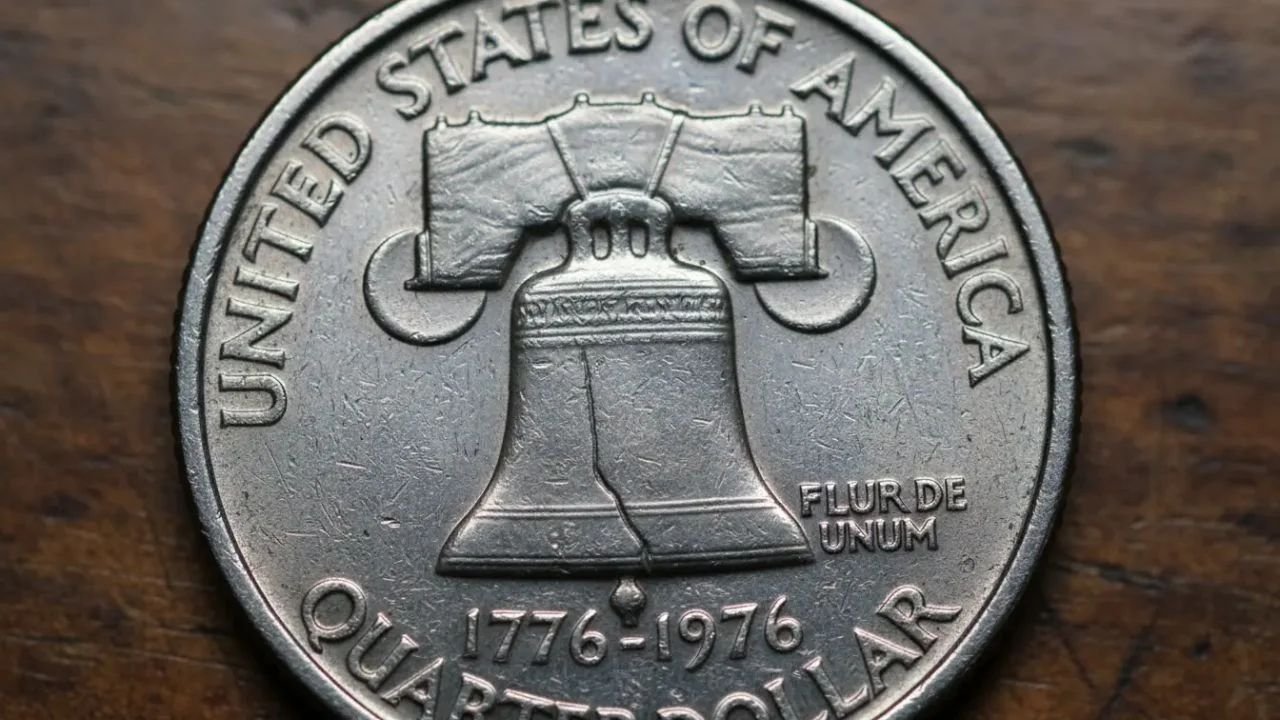
The 1976 Drummer Boy quarter is often dismissed as a widely produced commemorative coin, commonly found in collections and old change jars. Yet one extraordinary example shattered expectations when it sold for an astonishing $450,000 at auction. This result captured the attention of collectors and investors alike, proving that even familiar coins can achieve remarkable value under the right conditions.
Understanding why this single quarter commanded such a premium offers valuable insight into what truly drives rare coin prices—and how you can evaluate your own Bicentennial quarter with a sharper, more informed eye.
What Makes the 1976 Drummer Boy Quarter Unique
Issued to celebrate the 200th anniversary of American independence, the 1976 Bicentennial quarter features a colonial drummer on the reverse and a torch surrounded by thirteen stars. The dual-date “1776–1976” instantly sets it apart from standard Washington quarters.
Millions were minted for circulation, which is why most examples remain common today. However, a very small number possess unusual characteristics created during the minting process or exhibit extraordinary quality. These outliers are the coins that attract serious collector interest and, in rare cases, headline-grabbing prices.
Why One Example Reached $450,000
A six-figure auction result is never the product of chance. In this case, multiple high-value factors aligned perfectly.
A Major Mint Error or Exceptional Variety
Coins that display dramatic minting errors or rare die varieties immediately stand out. Large die breaks, pronounced doubled dies, or incorrect planchet strikes can create a one-of-a-kind appearance. When such anomalies are both obvious and well preserved, they place the coin into a highly competitive category of collectible errors.
Elite Professional Grading
Condition is critical at the highest levels of the market. Coins graded MS or PR 68 and above are scarce, even for common issues. When an already rare error coin receives a top-tier grade from a respected service, its desirability multiplies. In this case, the quarter’s exceptional surface quality and sharp strike played a central role in its final price.
A Distinctive Die State
Some coins are struck at a specific moment in a die’s life, producing unusual features that appear on only a limited number of pieces. Collectors who specialize in die states often compete fiercely for these examples, especially when the anomaly is visually striking and clearly documented.
Documented Provenance
Coins with a known ownership history or ties to respected collections tend to inspire greater confidence among buyers. Provenance adds narrative value, transforming a coin from a technical rarity into a piece with a story—an important factor in high-end auctions.
Competitive Auction Environment
When rare coins appear at the right venue, with strong marketing and global visibility, bidding can escalate quickly. Serious collectors understand that opportunities to acquire truly exceptional Bicentennial quarters are extremely limited, and competition can push prices well beyond expectations.
Traits That Can Make a 1976 Quarter Valuable
While most Bicentennial quarters remain modest in value, certain characteristics can dramatically increase their worth.
Coins struck on incorrect planchets, such as silver instead of copper-nickel, are among the most valuable. Pronounced doubled dies affecting the drummer or date also command strong premiums. Large die cracks or breaks that alter the design in a meaningful way are highly collectible. Proof coins with flawless strikes, deep mirrors, and attractive natural toning can also achieve impressive results.
How to Inspect Your 1976 Drummer Boy Quarter
If you own a Bicentennial quarter and suspect it might be special, careful inspection is essential.
Examine the date and mint mark closely under magnification, looking for doubling or repunching. Study the drummer’s details for extra lines, distortions, or raised cracks. Pay attention to color and weight, as unusual metal composition often signals a wrong planchet.
Use a precise digital scale to confirm weight and a caliper to verify diameter. Even small deviations can be meaningful. Always compare your coin to high-resolution reference images from reputable grading services.
The Importance of Authentication and Grading
Professional authentication transforms curiosity into certainty. Reputable grading services such as PCGS and NGC verify a coin’s authenticity, identify errors or varieties, and assign a standardized grade. For coins with potential high value, third-party grading is not optional—it is essential.
Choose a service that offers error and variety attribution. While fees and turnaround times vary, proper certification is the foundation of market trust and strong resale value.
Selling a Rare Bicentennial Quarter the Right Way
If your coin is authenticated as a rare or high-grade example, selecting the right selling channel matters. Major auction houses specializing in rare coins offer global exposure and competitive bidding. Private sales through established dealers can provide discretion and speed. Certified coins may also perform well on specialized online platforms.
Most importantly, set realistic expectations. The majority of 1976 quarters remain common, and only verified rarities command exceptional prices. A professional appraisal early in the process helps clarify your coin’s true market position.
A Real-World Example of Discovery
In a recent case, a collector identified a 1976 Drummer Boy quarter with unusual surface features. After professional evaluation, the coin was confirmed to have a major die break and an incorrect planchet. Once graded and documented, it sold at auction for a sum far beyond typical market values, illustrating how knowledge and verification can unlock extraordinary outcomes.
Final Thoughts
The $450,000 Bicentennial quarter is a powerful reminder that rarity, condition, and documentation drive true value in numismatics. While most 1976 Drummer Boy quarters will never reach such heights, a select few possess the right combination of traits to become elite collectibles.
Careful inspection, professional grading, and informed decision-making are essential steps for any collector hoping to uncover hidden value. In rare cases, a familiar coin can become an exceptional asset—proof that history, craftsmanship, and opportunity sometimes meet in the most unexpected places.