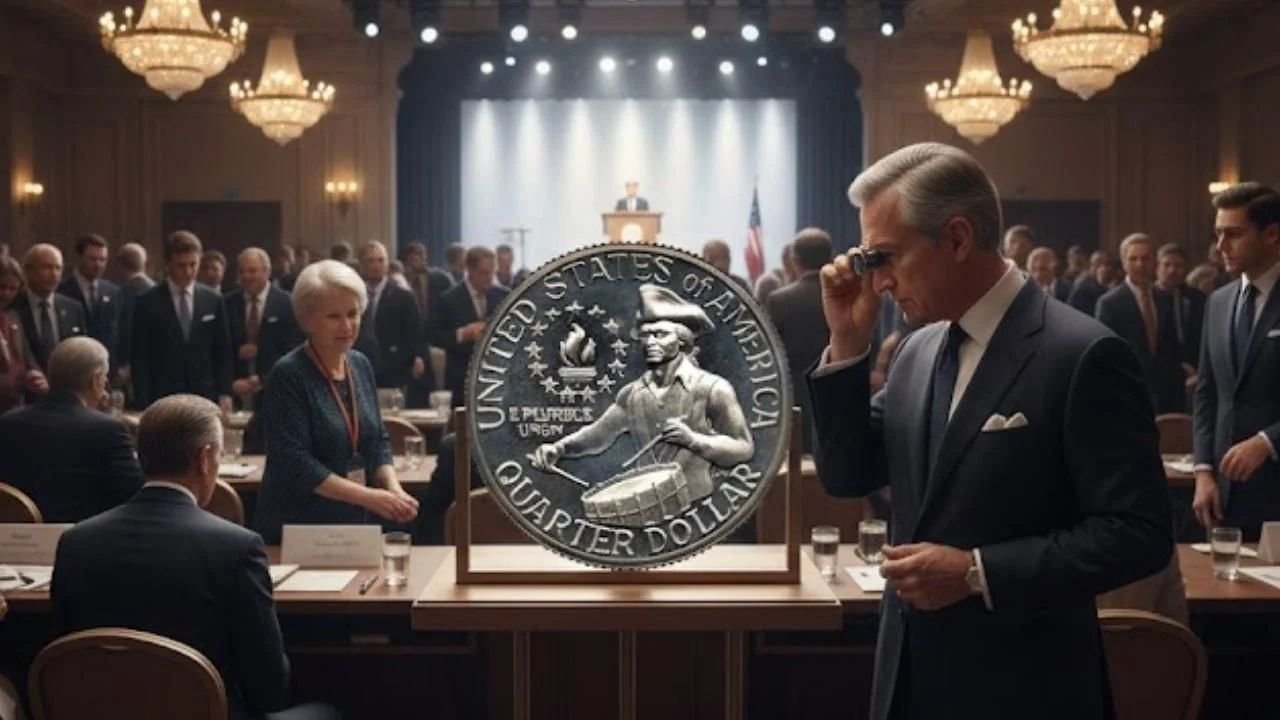
The 1776–1976 Bicentennial Liberty Quarter is one of the most instantly recognizable coins ever produced by the United States Mint. Created to honor the 200th anniversary of American independence, it marked a rare moment when circulating currency carried a powerful national message. While millions of these quarters were minted and most remain common, certain examples have become surprisingly valuable due to silver content, pristine condition, and rare minting errors.
For collectors and investors in 2026, understanding what makes a Bicentennial Quarter ordinary or exceptional can make a meaningful difference.
The Historical Importance of the Bicentennial Quarter
As the nation prepared for its bicentennial celebration in the early 1970s, the U.S. Mint introduced special designs for the quarter, half dollar, and dollar coins. Rather than using a single date, these coins featured the dual inscription “1776–1976,” symbolizing two centuries of American independence.
Unlike traditional commemorative coins, the Bicentennial Quarter was released into general circulation. This ensured widespread public access and cemented its place in everyday American life. While that decision kept most examples affordable, it also created a lasting cultural legacy that continues to resonate with collectors.
Design Details and Symbolic Meaning
The obverse of the Bicentennial Quarter retains the familiar portrait of George Washington, maintaining continuity with earlier Washington quarters. The reverse, designed by Jack L. Ahr, is what truly distinguishes the coin. It features a colonial drummer, a symbol of the Revolutionary War, accompanied by a victory torch surrounded by thirteen stars representing the original colonies.
This reverse design was used exclusively for the Bicentennial issue, giving the coin a unique identity within U.S. coinage. Its strong patriotic imagery and limited design run contribute to its enduring appeal.
Mint Locations and Coin Composition
Bicentennial Quarters were struck at three U.S. Mint facilities: Philadelphia, Denver, and San Francisco. Philadelphia and Denver produced coins for general circulation using a copper-nickel clad composition. These make up the majority of Bicentennial Quarters encountered today.
The San Francisco Mint produced proof coins and special collector editions, including quarters struck in a 40 percent silver composition. These silver versions were sold directly to collectors and never intended for circulation, which significantly affects their value in today’s market.
Typical Bicentennial Quarter Values
Most circulated Bicentennial Quarters remain worth face value. Due to extremely high mintages, they are still commonly found in pocket change. However, uncirculated examples preserved in mint sets or stored carefully can sell for modest premiums, often ranging from a few dollars to under ten dollars depending on condition.
Standard proof coins generally command higher prices than circulated examples, particularly when they retain deep mirror finishes and sharp detail. Even so, most non-silver proofs remain accessible to collectors.
The Appeal of Silver Bicentennial Quarters
Silver Bicentennial Quarters are among the most desirable regular issues in the series. Struck in a 40 percent silver alloy, they offer both collectible appeal and intrinsic metal value. Their prices fluctuate with silver markets but consistently trade above face value.
High-grade silver proof examples certified by professional grading services can command strong premiums. Collectors value these coins for their limited production, precious metal content, and visual quality, making them popular additions to diversified collections.
Rare Errors That Can Multiply Value
The most dramatic price increases for Bicentennial Quarters come from minting errors. Errors occur when something goes wrong during production, and while most defective coins are removed, a small number escape into circulation.
Highly sought-after errors include off-center strikes, double strikes, missing clad layers, and wrong-planchet errors. Some Bicentennial Quarters have been discovered struck on dime planchets or other unintended blanks, making them exceptionally rare. Depending on the type and severity of the error, these coins can sell for hundreds or even thousands of dollars.
Clear visibility, strong eye appeal, and professional authentication are critical factors in determining error coin value.
Proof Coins and Mint Sets
Proof Bicentennial Quarters from the San Francisco Mint are known for their sharp strikes and reflective surfaces. Coins preserved in original government packaging remain popular with collectors. Mint sets containing uncirculated examples from multiple mints also attract steady interest, particularly when coins show strong luster and minimal contact marks.
While these sets are not rare, their historical significance and consistent demand help support long-term value.
Why Condition and Grading Matter
Condition is one of the most important drivers of value for Bicentennial Quarters. Coins with minimal wear, strong detail, and attractive surfaces are significantly more desirable than heavily circulated examples. Professional grading provides an objective assessment of authenticity and condition, increasing buyer confidence.
Certified coins often sell for substantially more than raw examples, especially at higher Mint State or Proof grades. For silver issues and rare errors, professional grading can dramatically enhance market value.
Market Demand and Long-Term Collecting Outlook
The Bicentennial Quarter occupies a unique position in U.S. numismatics. It is historically meaningful, visually distinctive, and widely recognized. While the series as a whole is not scarce, demand remains strong for silver issues, high-grade examples, and genuine errors.
As interest in patriotic and historically themed collectibles continues, standout Bicentennial Quarters are likely to maintain relevance. Their connection to a defining national milestone gives them appeal that extends beyond pure monetary value.
Practical Tips for Collectors and Sellers
Collectors should prioritize quality over quantity. Carefully examine coins for composition, condition, and potential errors. Proper storage in protective holders helps preserve long-term value. Sellers benefit from researching recent auction results and considering professional grading for premium examples.
Working with reputable dealers or established auction platforms ensures fair exposure and accurate pricing, particularly for rare or unusual coins.
Final Perspective
The 1776–1976 Bicentennial Liberty Quarter is far more than ordinary spare change. While most examples remain common, silver versions, proof coins, and rare minting errors can hold meaningful value. For collectors, it offers historical depth and iconic design. For sellers, understanding rarity, condition, and composition can unlock unexpected opportunities.
Whether cherished as a patriotic keepsake or pursued as a serious collectible, the Bicentennial Quarter remains a lasting symbol of American history and enduring numismatic interest.